

Shibu Soren, a respected tribal leader and former Chief Minister of Jharkhand who served two terms, died on Saturday at the age of 81. His son Hemant Soren, also a former chief minister, expressed regret on social media that he “feels empty” upon the death of his “father” and “mentor.”
Soren was the most well-known Indian politician, especially in the tribal region of eastern India, and was popularly referred to as “Guruji.” Soren was a key founding member of the Jharkhand Mukti Morcha (JMM), the party instrumental in the creation of Jharkhand as a separate state from Bihar in 2000.
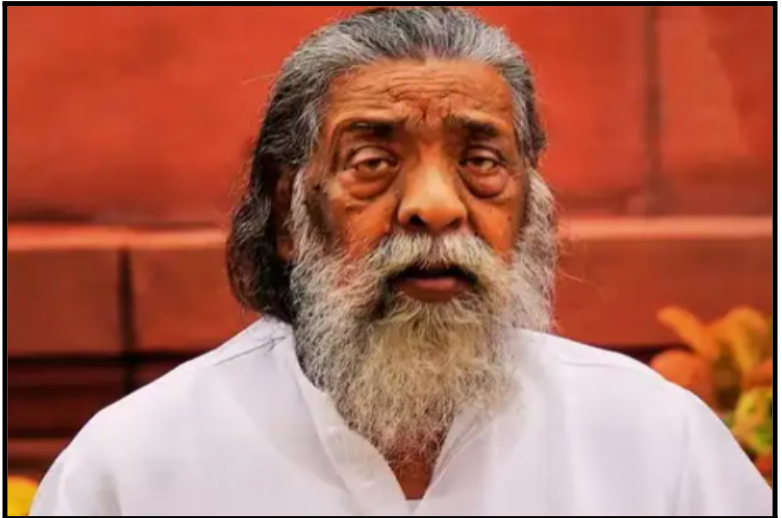
A Political Career Rooted in Tribal Emancipation
Shibu Soren was born on January 11, 1944, in Nemra village, part of today’s Bokaro district, which made many of his life stories deeply rooted in tribal struggles. Being a leader of what was a new political movement in the 1970s, he became a leader for the tribal people who were struggling for their rights, their land, social justice, and a better life.
In 1972, he established the Jharkhand Mukti Morcha (JMM), which became a strong voice for Adivasi identity, struggle, and political representation in the region. He spearheaded a movement where his political party called for a separate Jharkhand state and that campaign finally materialized decades later when Jharkhand was established in the year 2000.
Soren was Chief Minister of Jharkhand thrice but did not get to finish any term due to several reasons. Through it all, he was accepted as a leader among tribal communities but was also plagued by legal issues that muddled his political career.
A Legacy of Resilience
During his entire lifetime, he remained an influential voice of the natives and obviously served prominent portfolios within the Union Cabinet, like the Coal Minister while contesting in the UPA regime. He went through phases to the extent that he even spent time behind bars in relation to a criminal case during the 1990s (for which he was acquitted), but all through remained an influential figure for all of his well-wishers.
His passing is an end of an era in Jharkhand politics. Hemant Soren, in his own emotional reaction, said he was not only sad but wordless and that a part of himself was lost both personally and politically. “I feel a void that can never be filled,” he asserted.
National Tributes
When the news of his demise spread, condolence messages flowed from political leaders from all parties. Even Prime Minister Narendra Modi offered his respects on social media, terming Soren “a seasoned leader who dedicated his life for the benefit of the tribal community.” Droupadi Murmu, belonging to a tribal community herself, paid her respects by recalling his long life of dedication towards the cause of indigenous people.
Chief Minister of Jharkhand, Champai Soren, declared a state mourning period for three days, with the national flag being flown half-mast; government offices were closed on Sunday as a sign of respect.
Final Rites and Public Memorial
The last rites will be done in Dumka, the hometown and political stronghold of Soren, with state honors. According to reports, thousands of party workers and supporters will descend on the city for his funeral, several of whom regard him as the father of new Jharkhand.
Even as political leadership has assumed numerous hues in the years gone by in the state, Shibu Soren has left behind a legacy in tribal welfare, statehood, and regional identity that will be told and retold over generations. His absence leaves a significant void in Jharkhand’s socio-political landscape—one that may never be fully filled.