

The shift from a physical fashion environment to one that is a digital one is complex and multifaceted. With technology now finding its way into various aspects of our lives, our understanding of “fashion” and how we use clothing as a form of self-expression is changing. Welcome to digital fashion – an environment located at the intersection of creativity, sustainability, and style beyond the physical world.
What is digital fashion?
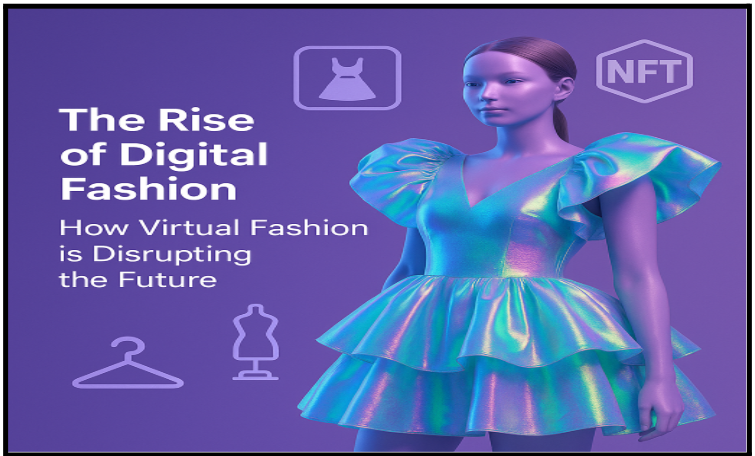
Digital fashion, or virtual fashion, or 3D fashion, is clothes and accessories that only exist in a digital space. Digital fashion is created using 3D design software, where you can create garments to be worn by digital avatars or edited onto images or videos of your real self.
Digital clothing, unlike physical garments, exists only in virtual spaces and lacks any tangible form. You won’t put it in your closet – it will only ever be on the internet (for gaming, social media, and/or the metaverse). Some digital garments can be purchased or sold as NFTs (non-fungible tokens), while many of them are made for social media or for digital experiences.
Why Is Digital Fashion Gaining in Popularity?
- Sustainable Without Compromising
Digital fashion offers a significantly more eco-friendly option compared to traditional fast fashion. There are no textiles involved, there is no textile waste, no water footprint, no shipping emissions, and no dye waste. For brands and consumers who are truly dedicated to a sustainable future, digital fashion offers an opportunity to enjoy fashion like never before, free from waste and guilt.
- The Growth of Virtual Identities and Gaming
With the likes of Fortnite, Decentraland, and Roblox leading the charge online, the possibilities for stylish virtual avatars are increasing daily. More people are beginning to treat their digital identity the same way they treat their physical identity, and digital fashion provides countless styles, allowing users to express their identity creatively online.
- Influencer Culture and Social Media
Influencers and users are fueling the different form of consumption of fashion we now see on social media. Instead of having to buy a brand -newoutfit for every post, influencers/users can simply wear digital fashion through photo-editing or AR filters. Platforms such as Instagram, TikTok, and Snapchat are quickly becoming the runway fashion for virtual outfits, reducing clothing waste and encouraging opportunistic practice.
- Limitless Creative Possibilities
Digital fashion unlocks entirely new possibilities for designers to explore and push creative boundaries beyond the limits of physical materials. Digital designers are unlimited by fabric and gravity, which leads to fantastical, futuristic, and transformative digital designs – particularly garments that can float or luminesce. Designers can experiment and explore without the waste of fabric or natural resources when utilizing digital design as a tool or medium.
The Trendsetters in Digital Fashion Massive fashion digitally
These brands and platforms are for sure going to be shaping the future of the virtual fashion industry.
- The Fabricant—this is a fashion house that operates exclusively in the digital realm, creating virtual garments without any physical manufacturing.
- DressX—this is an online platform that allows users to buy virtual fashion and wear it across their virtual social media profiles.
- Balenciaga—This major luxury fashion brand has collaborated with Fortnite to create original virtual collections.
- Nike—This major sportsware brand entered the virtual fashion marketplace as a result of acquiring RTFKT Studios and has released digital sneakers and NFT collectibles for their clients in a more economical way.
These unique styles present the transition between real fashion and the digital frontier.
Starting Out in Digital Fashion
For Designers:
Start playing with design software like CLO 3D, Marvelous Designer, or Blender to begin experimenting and create 3D garments that look amazing. Each program has the ability to produce realistic 3D-created garmentsStarting out involves minimal costs, making it accessible to a wide range of creators. There are dozens of free and for-fee learning tutorials for beginners to engage in on each platform online.
For Consumers and Influencers
Purchase digital outfits from platforms such as DressX, Republiqe, or Replicant Fashion and use them in your photos or virtual events. It is fun, cheap and eco-friendly!
Is digital fashion really a trend?
Not at all. Digital fashion addresses real problems such as sustainability, over-consumption and digital self-expression. Digital fashion is no longer just a novelty; it is now a growing, viable part of the future of fashion as we move toward more advanced technology and virtual spaces.
In fact, major brands are embracing phygital fashion—a blend of physical and digital experiences—to stay ahead in the evolving fashion landscape. Now consumers can purchase a garment IRL (in real life) and also style it online so that they can enjoy fashion, styling and living in two worlds.
conclusion
Digital fashion is changing how we view style, identity, and sustainability. Taking advantage of new opportunities for designers, influencers, and consumers as society becomes digital-first. A virtual wardrobe could be the next natural evolution of personal expression.
No matter what role you play, whether in the fashion industry, as a content creator, or as a designer, the digital runway is open, and the options are limitless.